- Call us Via Whatsapp: +84 (0) 832 126 699
4.9 stars on our site
(15,000 reviews)
- Monday - Sunday : 08:00 - 17:00
(15,000 reviews)

When you think of Vietnam, your mind might initially drift to the neon-lit frenzy of Ho Chi Minh City or the colonial elegance of Hanoi’s Old Quarter. However, the true soul of this S-shaped nation resides in the spaces between the cities. It lives in the emerald-green rice paddies of the Mekong Delta, the misty mountain valleys of Mai Chau, and the quiet, salt-sprayed fishing villages of the Central Coast. A Vietnam countryside bike tour is not just a journey through geography; it is a journey through time, culture, and the resilient spirit of the Vietnamese people.
In this exhaustive guide, we explore why exploring rural Vietnam on two wheels is the most rewarding way to travel. From the logistical expertise provided by Golden Cycling Tours to the sensory rewards of farm-to-table dining, we cover everything you need to know to plan your cross-country odyssey. Whether you are looking for a South to North Vietnam cycling adventure or a North to South traverse, the countryside is where the magic happens.
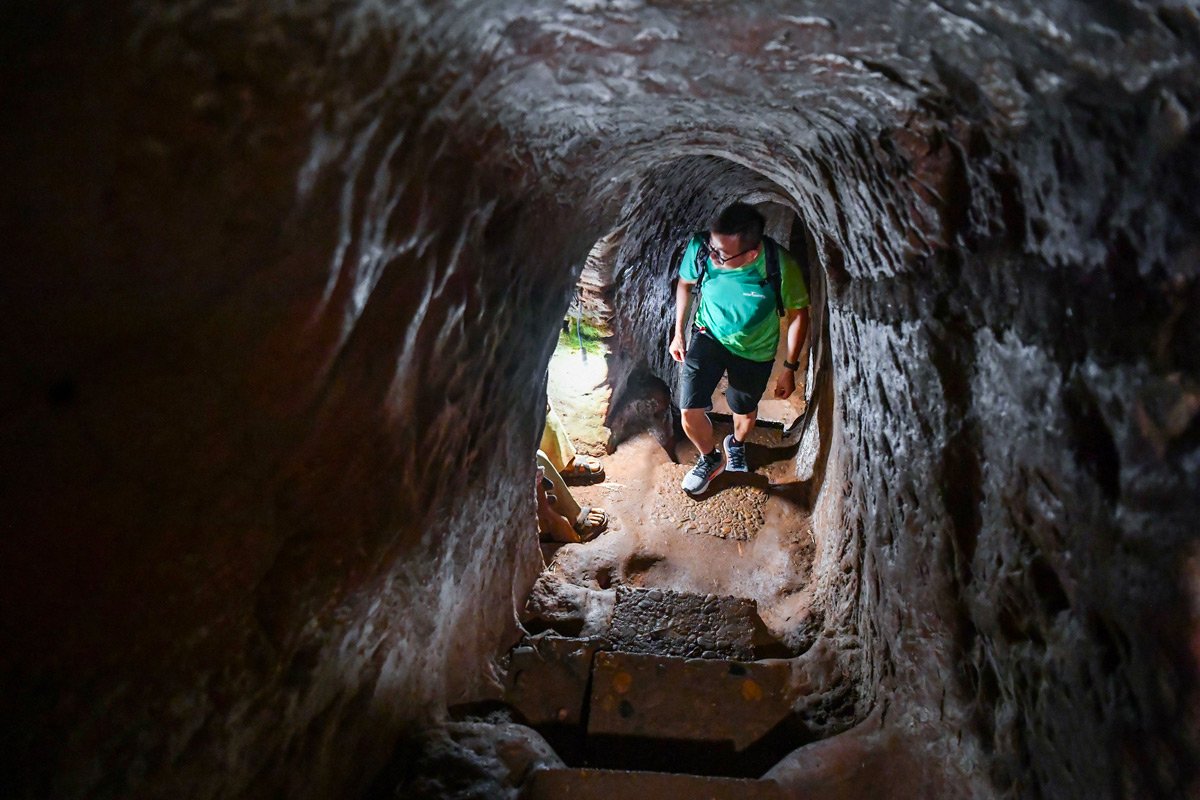
Why choose the rural paths over the tourist highways? The answer lies in the "unfiltered" experience. On a bicycle, there are no windows between you and the world. You smell the incense burning in a roadside shrine, you feel the shift in temperature as you enter a shaded coconut grove, and you hear the rhythmic "clink-clink" of a blacksmith’s hammer long before you see his shop.
A Vietnam countryside bike tour allows you to break the "tourist bubble." You aren't just a spectator looking at a landscape; you are a participant in it. You become the person receiving a high-five from a schoolchild on a bicycle, the guest invited for tea by a farmer resting in his hammock, and the traveler who discovers a hidden pagoda that isn't on any map.
The journey often begins (or ends) in the southern plains. The Mekong Delta, the "Rice Bowl of Vietnam," offers perhaps the most iconic countryside cycling in the world. Here, the land is a patchwork of vibrant green rice fields, intricate canals, and sprawling fruit orchards.
Cycling the "Mekong backroads" involves navigating narrow paved paths that follow the contours of the waterways. You will cross countless bridges—from modern concrete structures to traditional "monkey bridges" made of bamboo. Villages like Ben Tre and Tra Vinh offer a glimpse into the Khmer influence in the region, with colorful pagodas and a pace of life that feels blissfully slow. This is the ultimate "flat-terrain" experience, perfect for those who want a scenic, low-impact start to their South to North journey.
As you move north from the delta, the countryside transforms. The Central Coast offers a mix of dramatic cliffs and quiet lagoons. Cycling through the rural outskirts of Hoi An, such as Cam Kim Island, reveals a world of traditional woodcarving, mat weaving, and organic farming.
The Vietnam countryside bike tour in this region often takes you through "paddy-to-plate" landscapes. You will see water buffalo tilling the soil and farmers drying rice on the road's edge. The stretch between Hue and Da Nang, while famous for the Hai Van Pass, also hides dozens of quiet fishing villages where life revolves around the tides. This is where the heritage of the Champa Kingdom meets the legacy of the Nguyen Emperors, all set against a backdrop of the azure East Sea.
For those who crave elevation and a cooler climate, the Central Highlands offer a rugged, off-the-beaten-path experience. The countryside around Dalat, Kontum, and Pleiku is dominated by coffee and rubber plantations. The "Hill Tribe cycling" experience here is unparalleled. You will interact with the Bahnar, Ede, and Jarai people, learning about their unique communal "Rong" houses and their deep connection to the land. The climbs are challenging, but the descents through pine-scented air are the stuff of cycling dreams.
The north is where the landscape reaches its dramatic peak. In Ninh Binh, often called "Ha Long Bay on Land," the countryside is a surreal collection of limestone karsts rising vertically from the rice paddies. Cycling through the valleys of Tam Coc or Trang An feels like riding through a traditional Chinese scroll painting.
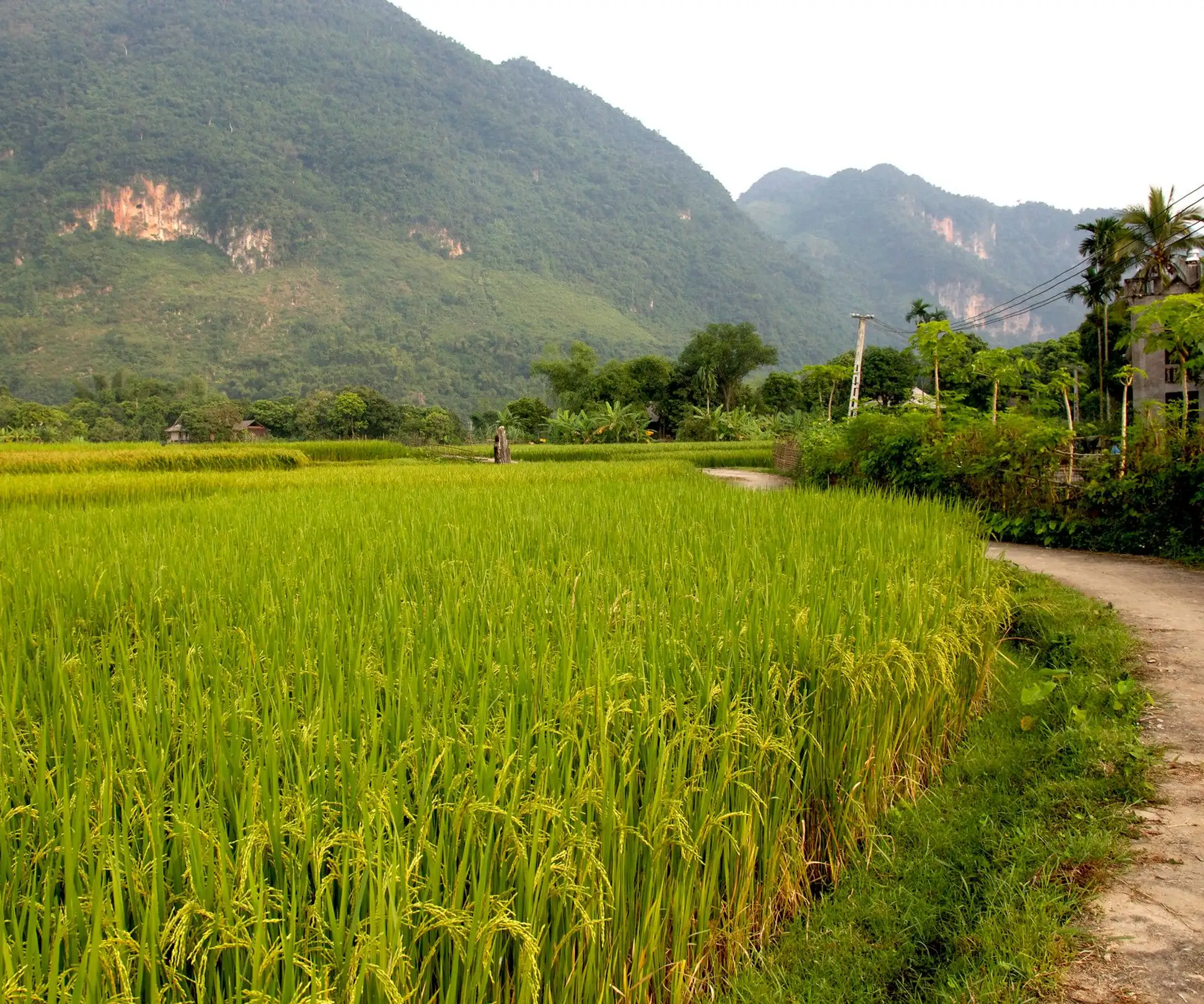
Further northwest, in valleys like Mai Chau and Moc Chau, you find the stilt-house villages of the White Thai and Hmong people. The "Northern Vietnam mountain biking" segments offer some of the most breathtaking vistas in Asia, with terraced rice fields that change color with the seasons—from vibrant green in the summer to shimmering gold in the autumn.
One of the most profound aspects of a Vietnam countryside bike tour is the human connection. However, being a responsible traveler means understanding the local context.
The Power of the Smile: In rural Vietnam, a smile is the universal currency. Even if you don't speak the language, a friendly nod and a "Xin Chao" (Hello) go a long way.
Respectful Photography: While the countryside is photogenic, always ask for permission before taking a photo of a person, especially in ethnic minority villages.
The "Home Visit" Protocol: If you are invited into a local home for tea—a common occurrence on tours led by Golden Cycling Tours—remember to remove your shoes at the door.
Cycling burns thousands of calories, and there is no better place to replenish them than the Vietnamese countryside. Rural food is often fresher and more regional than what you find in city restaurants.
Street-Side Snacks: Look for Banh Mi stalls in small villages or Banh Xeo (savory pancakes) being cooked over charcoal.
Tropical Hydration: Nothing beats a fresh coconut cut open by a roadside vendor or a glass of Nuoc Mia (sugarcane juice) with a squeeze of kumquat.
The Communal Feast: On our South to North and North to South tours, we often enjoy family-style lunches in local homes. This is the heart of Vietnamese culture—sharing a variety of dishes, from ginger-braised chicken to morning glory sautéed with garlic, all served with a mountain of steamed rice.
While the Mekong is flat, the rest of Vietnam is not. We recommend a training regimen that includes both endurance and strength. Focus on:
Saddle Time: Get your body used to sitting on a bike for 4-6 hours a day.
Interval Training: To prepare for the rolling hills of the coast and the mountain passes of the north.
A Vietnam countryside bike tour involves a mix of surfaces—from smooth asphalt to gravel paths and dirt tracks through villages.
The Bike: A high-quality hybrid or mountain bike with front suspension is ideal. Golden Cycling Tours provides top-tier Trek and Giant bikes specifically maintained for these conditions.
The Gear: Padded shorts are non-negotiable. Also, bring moisture-wicking jerseys, as the humidity can be high.
Navigating the rural "back-alleys" of Vietnam requires deep local knowledge. Many of the best paths aren't on Google Maps and don't have signs in English.
Safety & Logistics: Our support vans are always nearby. They carry your luggage, provide cold water and electrolytes, and offer a "lift" if you want to skip a particularly tough climb.
Expert Guides: Our guides are locals who grew up in these regions. They act as translators, mechanics, and cultural bridges.
Sustainable Travel: We prioritize local homestays and family-run eateries, ensuring that your tourism dollars directly support the rural communities you visit.
Whether you are interested in a 14-day Cycling South to North Vietnam epic or a shorter regional excursion, we handle the details so you can handle the pedals.
Vietnam's weather is a puzzle of three distinct climate zones.
Spring (Feb-April): Generally the best time for a cross-country trip. The south is dry, and the north is blooming.
Autumn (Sept-Nov): Beautiful for the northern harvest season (golden rice fields) and the cooling temperatures in the south.
Summer (May-Aug): It will be hot and humid. Great for those who don't mind the heat and want to see the countryside at its most lush and green.
A Vietnam countryside bike tour is a transformative experience. It is the realization that the world is much bigger, friendlier, and more beautiful than the headlines suggest. It is the feeling of the wind on your face as you descend a mountain pass and the taste of a cold beer as the sun sets over a rice field.
Are you ready to discover the "Real Vietnam"? Visit Golden Cycling Tours today and choose your journey. Whether you start in the south and head North or start in the north and head South, the countryside is waiting to tell you its story.
Q: Do I need to be a "pro" cyclist to do a countryside tour? A: Not at all! While you should be in good health and comfortable on a bike, our tours are designed for enthusiasts. We move at a steady pace with plenty of stops, and our support van is always available for those who want a break.
Q: Is the countryside safe for foreign travelers? A: Vietnam is one of the safest countries in the world. Rural communities are incredibly welcoming. Our guides ensure that we follow the safest routes and respect local customs.
Q: What kind of food will we eat in the villages? A: You will eat authentic Vietnamese food. It’s fresh, healthy, and varied. We can accommodate most dietary requirements (vegetarian, gluten-free) with advance notice.
Q: Will I have internet access in the rural areas? A: Surprisingly, yes. Vietnam has excellent 4G/5G coverage even in remote areas. Most guesthouses and homestays also provide Wi-Fi.
Q: Can I bring my own bike? A: You can, but we recommend using our professionally maintained fleet. It saves you the hassle of international shipping and potential damage.
"The Mekong Delta backroads were a highlight of my life. I never thought I'd find such peace in the middle of a busy country. Golden Cycling Tours made everything so easy!" — Jane D., USA
"We did the South to North tour. Crossing the countryside felt like we were seeing a secret version of Vietnam that no one else gets to see. Highly recommend the homestays!" — Peter W., UK
"I was worried about the hills, but the support van was always there if I needed it. The guides were so knowledgeable about the local culture. A truly 5-star experience." — Sonia M., Australia




Leave a Reply
Your email address will not be published. Required fields are marked *